What's Included in Water Mill
- Moisture Source Location
- HEPA Air Filtration
- Mold Inspection
- Mold Removal
- Content Cleaning
- Containment Setup
- Bathroom Mold Cleanup
- Attic Mold Cleanup
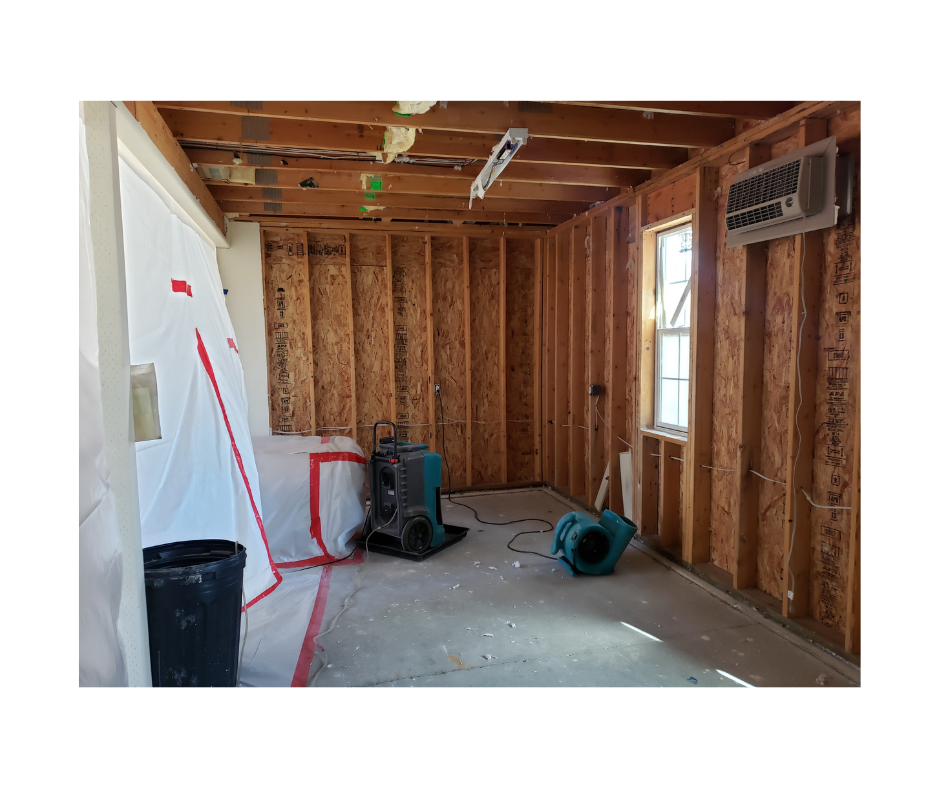
Musty odors and visible growth in Water Mill are signs to act. Crews assess the extent, contain the area, and remove mold safely. Restoration referral service — calls connect you with a licensed, insured, IICRC-certified local crew.
Call 631-735-6475
Water Mill (11976) is one of the communities on the East End; neighboring areas include Bridgehampton, Southampton and Sag Harbor. Seasonal homes that sit closed up are a common setting for hidden mold on the East End.
Large footprints with rarely used rooms have areas with little airflow where moisture can linger. Drying and dehumidification afterward are what keep mold from returning in a damp coastal setting. Mold after coastal flooding usually begins inside wall cavities where materials stayed wet.
In practice, crews in Water Mill combine inspection, containment, and removal with drying and moisture control to reduce repeat growth.
Nearby areas served include Bridgehampton, Southampton and Sag Harbor. Crews also handle water damage in Water Mill and fire and smoke damage in Water Mill.
Yes. Closed houses with no airflow or dehumidification can grow mold quickly, especially in humid weather.
Mold coverage varies by policy and cause, and documentation helps your carrier evaluate the claim.
Moisture mapping and targeted testing help locate mold that isn't visible.
Mold needs moisture, so leaks, flooding, condensation, and poor ventilation are the usual causes. Basements, attics, and bathrooms are common spots.
Often yes for contained jobs, but larger projects may call for staying elsewhere temporarily. Crews will say what makes sense once the scope is clear.