What's Included in Stony Brook
- Content Restoration
- Basement Water Removal
- Water Mitigation
- Storm & Flood Cleanup
- Structural Drying
- Moisture Mapping
- Humidity Control
- Burst Pipe Cleanup
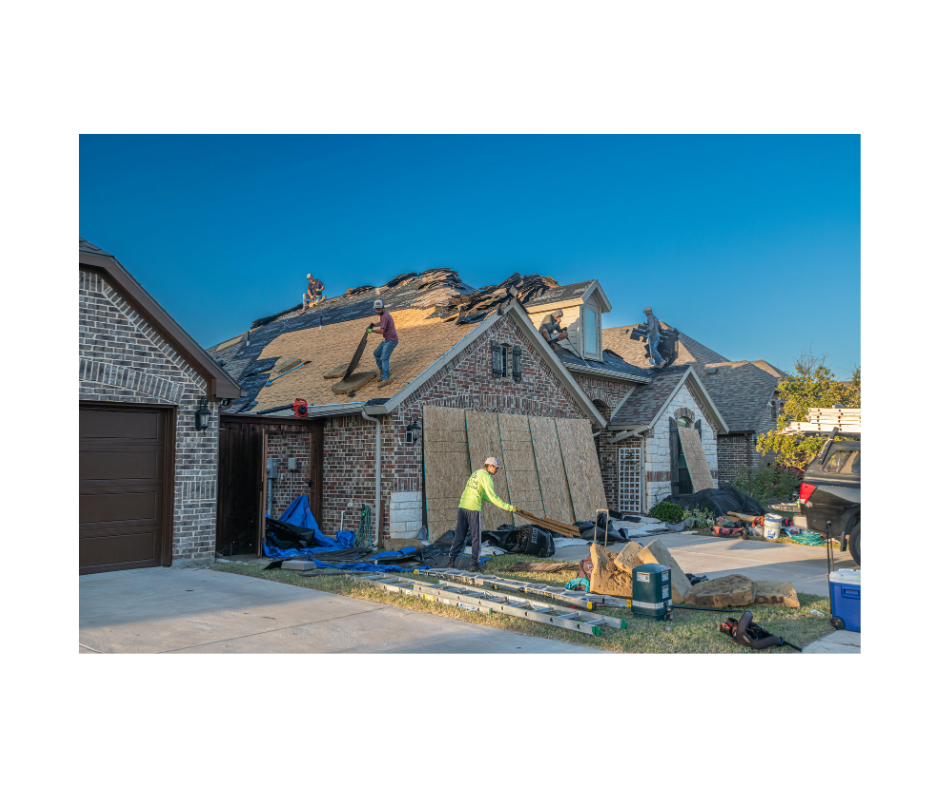
Standing water in Stony Brook keeps causing damage by the hour. Crews move quickly to remove it and dry the structure. Restoration referral service — calls connect you with a licensed, insured, IICRC-certified local crew.
Call 631-735-6475
Located along the Long Island Sound shore in the Town of Brookhaven, Stony Brook (11790) is a short drive from East Setauket, Saint James and Port Jefferson. During Sandy, Shore Road in Stony Brook village saw 1 to 3 feet of water, according to the National Weather Service.
When Isaias cut power to more than 420,000 customers in 2020, basements that depend on sump pumps lost their protection. Shoreline and harbor areas can flood from the Sound during strong storms and high tides, even when rainfall is modest. Older masonry foundations in the area let water through mortar joints and cracks during wet periods.
In practice, crews in Stony Brook focus on stopping the source, removing standing water quickly, and drying structure and contents to acceptable moisture levels.
The same crews cover nearby East Setauket, Saint James and Port Jefferson. Crews also handle fire and smoke damage in Stony Brook and mold remediation in Stony Brook.
Trapped moisture inside walls and subfloors can lead to mold growth within a day or two, along with warped flooring and weakened materials.
Drying continues until moisture readings return to acceptable levels, which varies with each job.
Yes. Salt-water flooding calls for extraction, removal of contaminated materials, sanitizing, and thorough drying, and documentation matters for flood-policy claims.
In Stony Brook, crews commonly see supply line failures, appliance leaks, sump pump problems, and storm-driven water.
A backup is sewage, not clean water, so crews contain the area, remove affected materials, and sanitize. Coverage for sewer or septic backup varies by policy, so ask your carrier.