What's Included in East Hampton
- Containment Setup
- Mold Removal
- Attic Mold Cleanup
- Humidity Control
- HEPA Air Filtration
- Moisture Source Location
- Air Quality Testing
- Content Cleaning
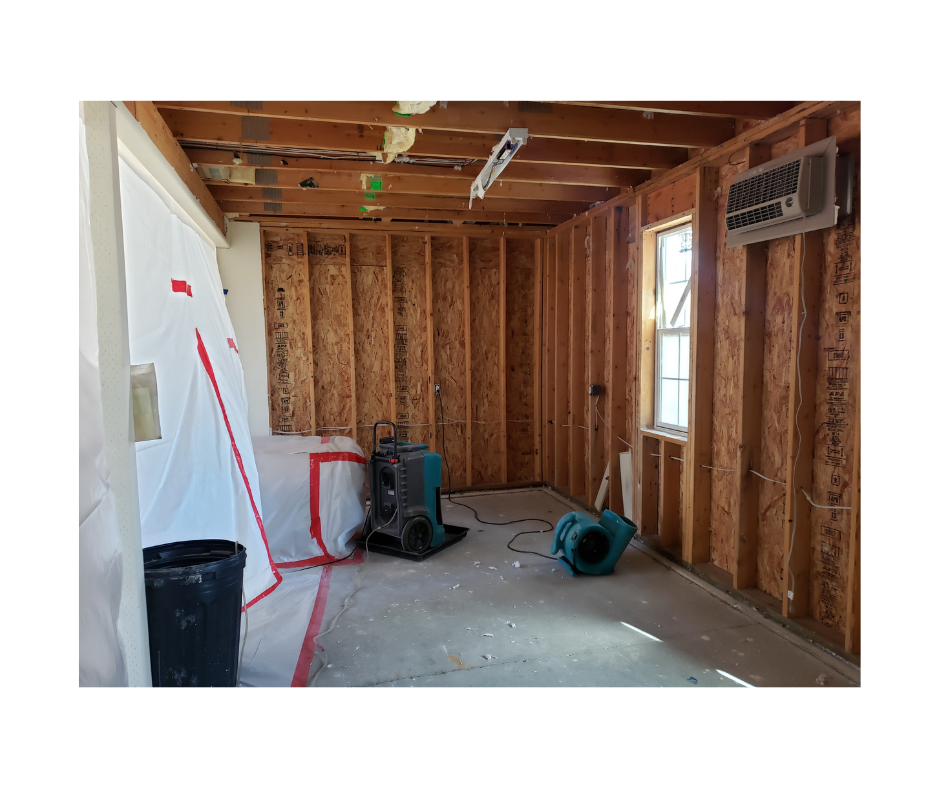
Musty odors and visible growth in East Hampton are signs to act. Crews assess the extent, contain the area, and remove mold safely. Restoration referral service — calls connect you with a licensed, insured, IICRC-certified local crew.
Call 631-735-6475
East Hampton (11937) sits in the East End's Hamptons area, with Amagansett, Wainscott and Montauk nearby. Seasonal homes that sit closed up are a common setting for hidden mold on the East End.
Soaked insulation and drywall are the most common sources of mold after a storm. Ocean and bay humidity keep materials damp, so mold can settle in fast after any leak or flood. Mold in unoccupied homes often shows up only when the owners return and notice the smell.
That is why acting early matters in East Hampton: mold spreads wherever moisture stays.
The same crews cover nearby Amagansett, Wainscott and Montauk. Crews also handle water damage in East Hampton and fire and smoke damage in East Hampton.
Very small surface spots can sometimes be handled at home, but larger or hidden growth needs containment and proper removal so spores do not spread.
Yes. Closed houses with no airflow or dehumidification can grow mold quickly, especially in humid weather.
Persistent dampness is the root cause, often from leaks, humidity, or incomplete drying after a water event.
Typical steps are inspection, containment, air filtration, removal of affected materials, cleaning and treatment, and verification that the area is clear.
Mold can aggravate allergies and respiratory conditions, so prompt, contained removal is recommended.