What's Included in Copiague
- Content Cleaning
- Basement Mold Cleanup
- Humidity Control
- Containment Setup
- Antimicrobial Treatment
- Mold Removal
- Mold Inspection
- Moisture Source Location
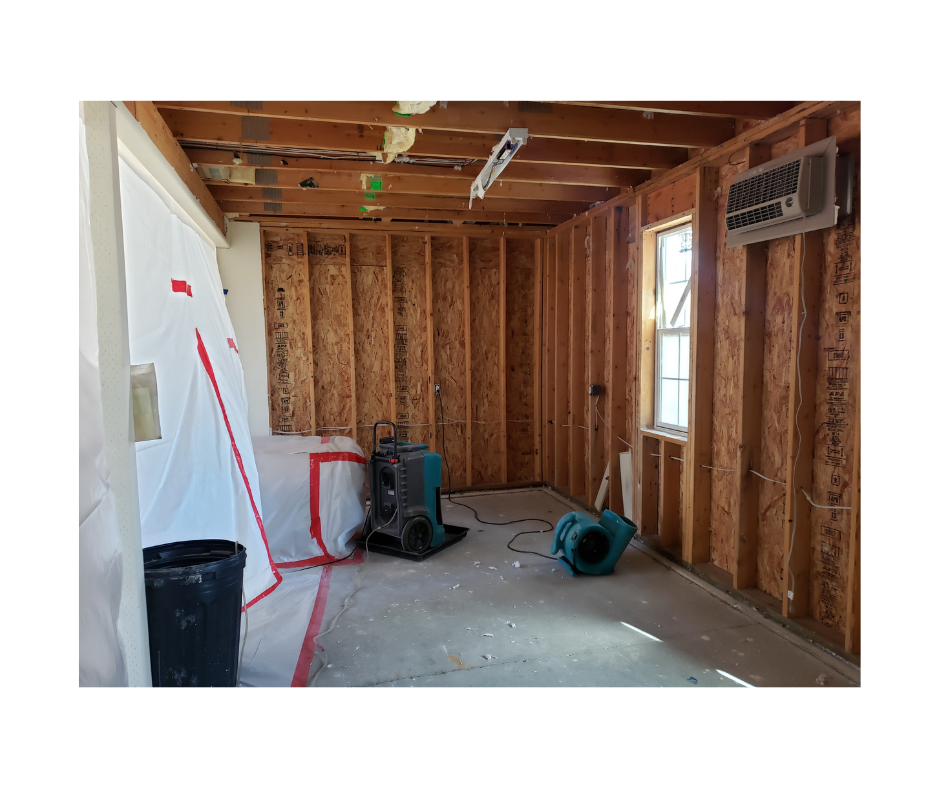
Musty odors and visible growth in Copiague are signs to act. Crews assess the extent, contain the area, and remove mold safely. Restoration referral service — calls connect you with a licensed, insured, IICRC-certified local crew.
Call 631-735-6475
Copiague (11726) is one of the communities on the south side of Suffolk County; neighboring areas include Lindenhurst, Amityville and Babylon. Homes that took on bay water during Sandy in 2012 often developed hidden mold where drywall and insulation stayed damp.
Extended outages after storms such as Isaias in 2020 leave basements without dehumidification, which gives mold an opening. Lasting results depend on drying and correcting the source, since bay humidity can bring moisture back quickly. Moisture mapping separates surface mold from growth inside walls, which shapes the remediation plan.
In practice, crews in Copiague combine inspection, containment, and removal with drying and moisture control to reduce repeat growth.
Nearby areas served include Lindenhurst, Amityville and Babylon. Crews also handle water damage in Copiague and fire and smoke damage in Copiague.
Some people are more sensitive than others, and mold can trigger allergy and breathing symptoms. Remediation removes it safely and reduces exposure.
Typical steps are inspection, containment, air filtration, removal of affected materials, cleaning and treatment, and verification that the area is clear.
Often yes for contained jobs, but larger projects may call for staying elsewhere temporarily. Crews will say what makes sense once the scope is clear.
Persistent dampness is the root cause, often from leaks, humidity, or incomplete drying after a water event.
Flood-soaked materials are a leading cause of mold, which is why quick extraction and drying matter after any bay or harbor flooding.